
SPOTLIGHT 💡🔦
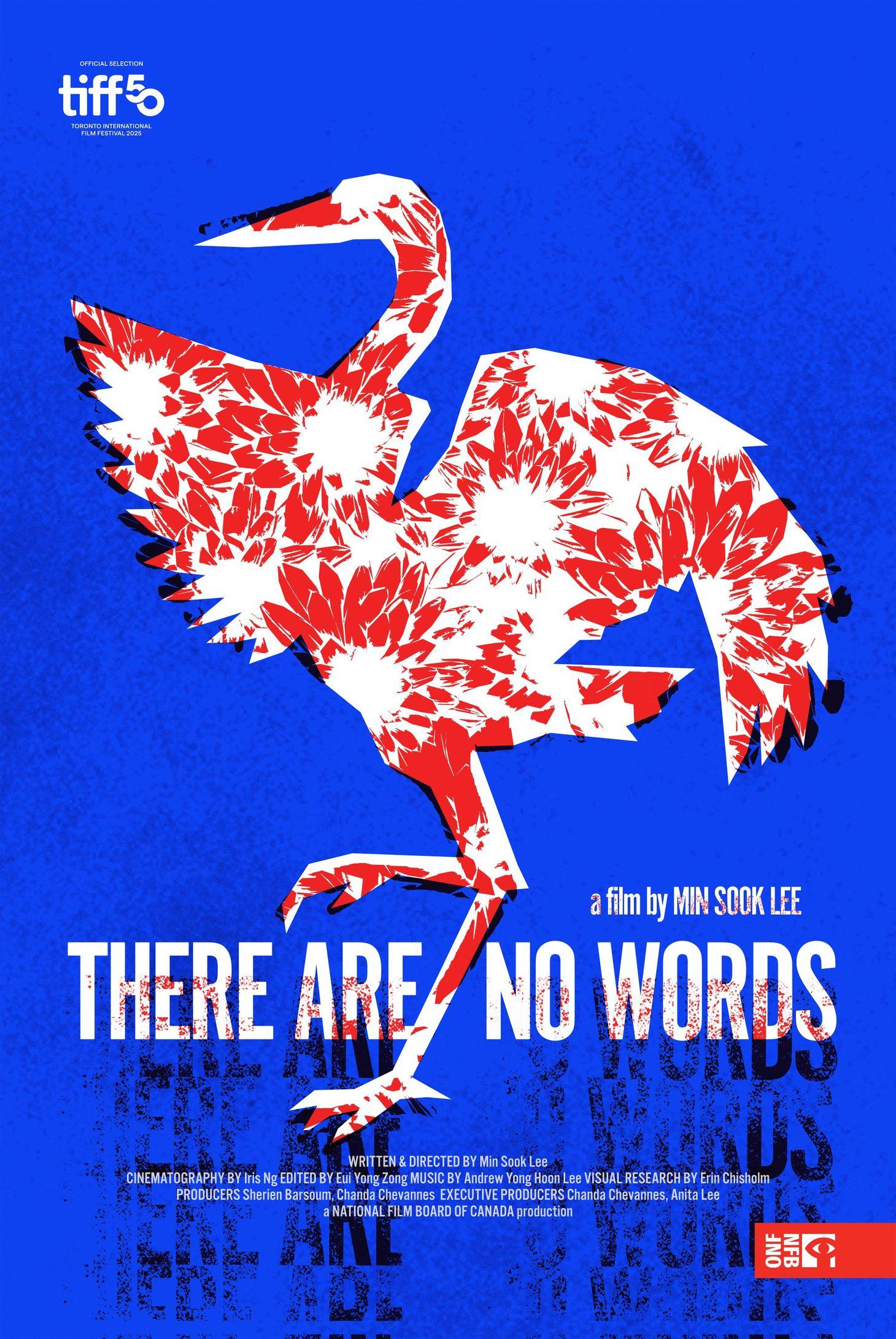
From Silence to Voice: Healing Immigrant Trauma
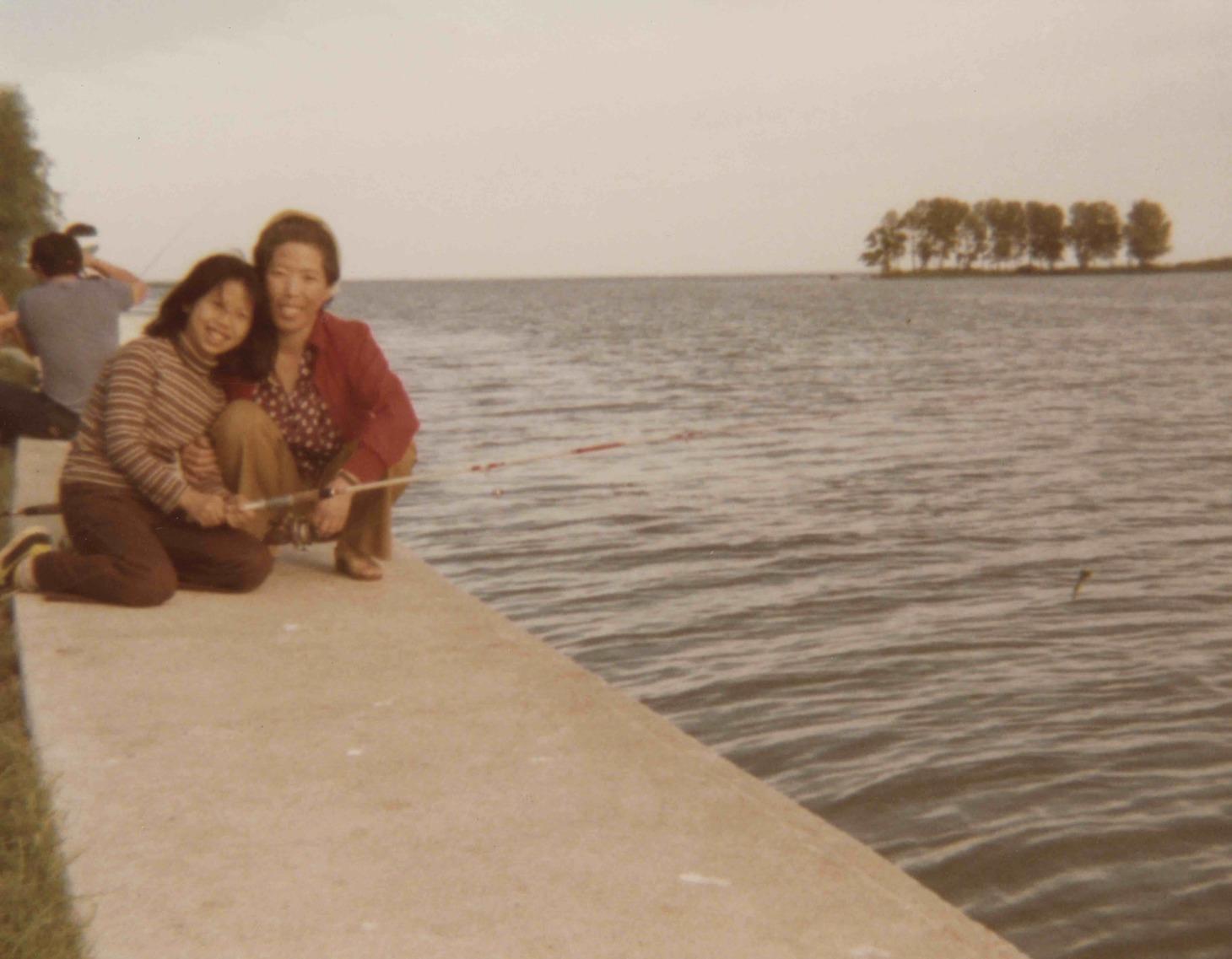
While making her documentary "There Are No Words," veteran Korean-Canadian filmmaker Min Sook Lee discovered an unexpected revelation about her mother, Song Ji Lee. The woman she remembered as quiet, withdrawn, and depressed in Toronto was described by villagers and friends in Korea as a "boss bitch." Her mother was a strong, gender-nonconforming feminist who read books voraciously, loved music, and defied traditional roles. Lee says,
"She was a kind of young woman that I would admire, that I would love, and that I would be able to recognize as a sort of early prototype working-class feminist. To say that's who she was, was phenomenal. ... I was like, how is that? It's too good to be true that she was like a kick-ass fighter and also had a lot of integrity. People would say to me, she always made sure that that grandmother's got a seat because she didn't want older women to be standing and so she would confront young men and say, give that seat to the older woman there."
In the film, Lee reflects on this duality:
"I'm frozen. But in my dreams, I come alive."
Lee spoke with Spinning Forward about her new film, "There Are No Words", about her mother’s suicide, racism, culture and identity, career confusion, and her path to the political activism, the arts and documentary filmmaking.
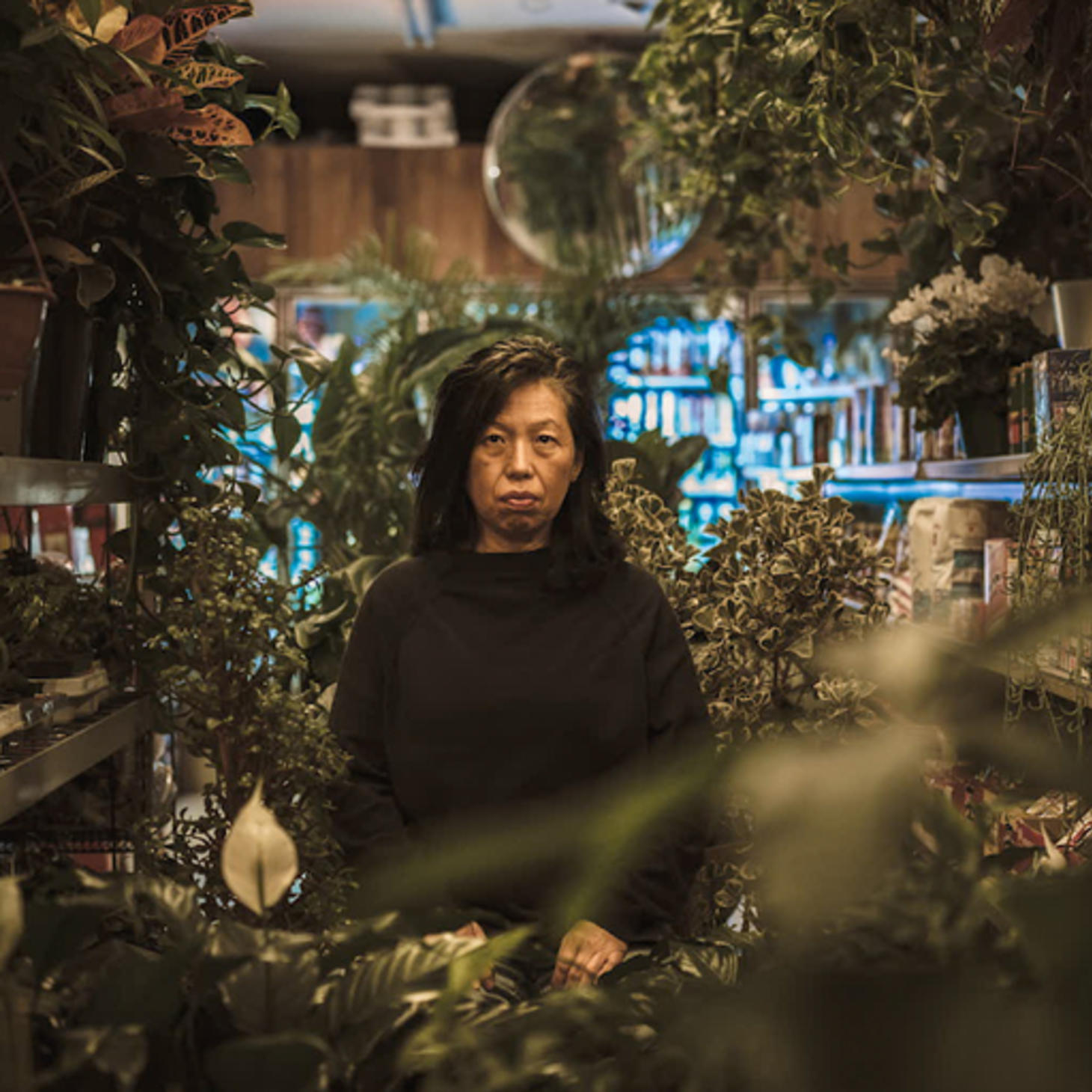
A Story Four Decades in the Making
"There Are No Words" premiered at TIFF in 2025, winning an Honorable Mention for Best Canadian Feature Film Award. The "personal essay" explores Lee's mother's suicide forty years ago in Toronto when she was just 12, and the void that followed . Now 55, Lee wanted to try to understand what happens when trauma, racism, and patriarchal violence collide with the dreams of a working-class immigrant family in Canada.
For Lee, a filmmaker and political activist for over three decades, this deeply personal project reflects her commitment to giving voice to marginalized communities. Her journey from a damaged young person to becoming one of Canada's most important documentary filmmakers offers validation and hope for Indigenous, people of colour and immigrant individuals and families navigating trauma and systemic barriers in western countries like Canada.
The Hollowness of Silence
Immigrant families don't talk about mental health and suicide. "We didn't talk about it. There were no shared stories," Lee says of the years following her mother's death.
"My mother became locked into this block of really trapped grief that nobody could go near or understand. Living a whole life where you don't really understand what happened can actually make your life feel like it's been excavated from the inside out, like there's this hollowness."
Racism Outside, Violence Inside
Lee remembers Toronto after her family immigrated in 1973:
"There was a lot of very aggressive, assertive racism on the streets, in the classrooms, and total erasure of Asians in media, complete absence, and we were the butt of jokes."
She describes one incident in downtown, Toronto at Spadina and Bloor where white university students threw tomatoes at her and her sisters. To cope and survive meant "disappearing my ethnicity and identifying as white passing as possible."
At home, her father, who was trained by Korea's Central Intelligence Corporation as a spy, created what Lee describes as a "violent and abusive patriarchal household."
"I grew up in a very violent family. When you start layering in this experience of growing up in my family with a patriarch who was violent, who was abusive, who was trained and promoted and celebrated for controlling the truth or narratives, then my mother, who died when I was 12, became or was resting on the shelf as a frozen icon that I couldn't come near."
Speaking Through Translators: Reclaiming a Lost Language
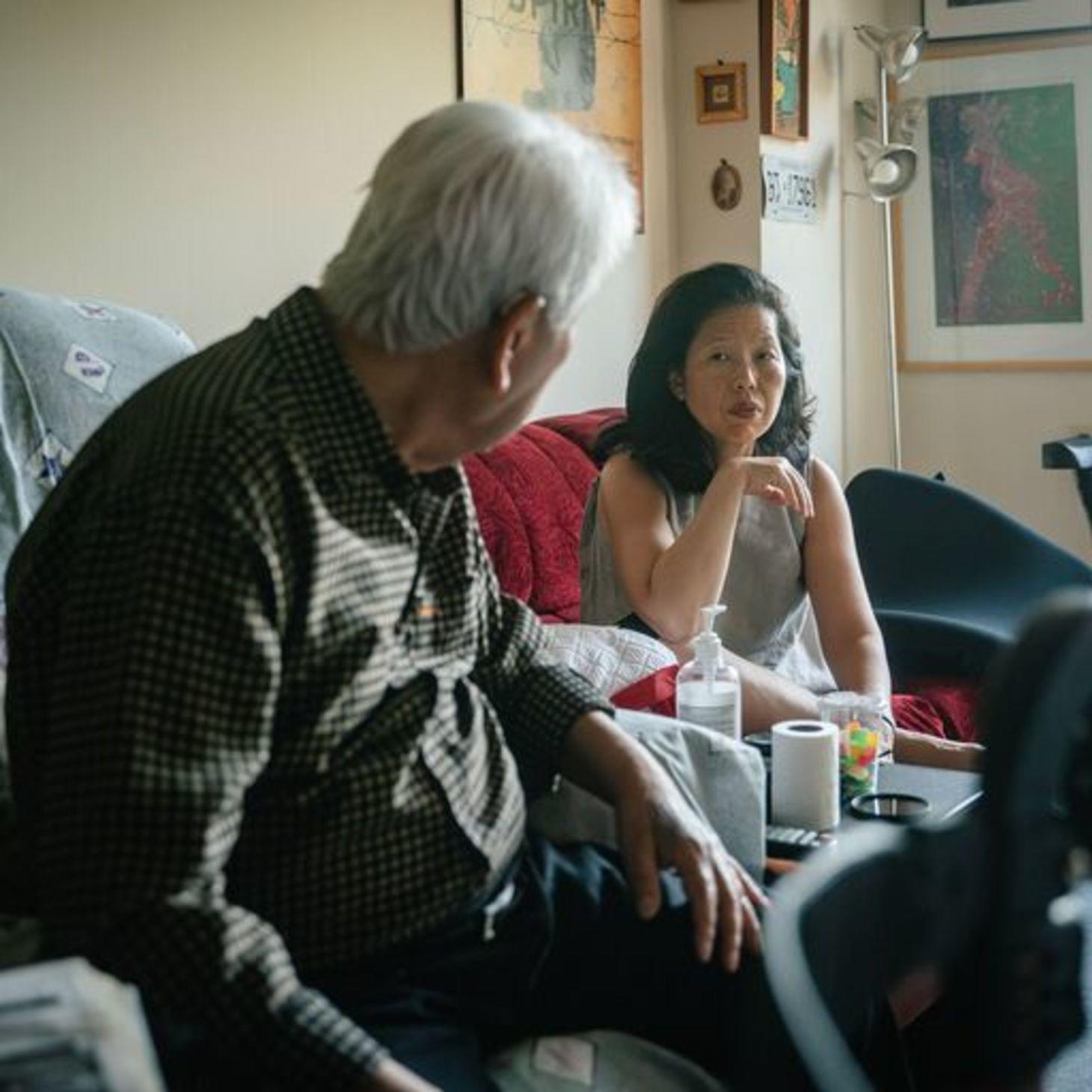
Lee's relationship with her father, who is almost ninety, is complicated. They are the only family left in Toronto. When approaching him for the film, she treated him as an "unreliable narrator" and referred to him as a fabulist. After learning he would be interviewed, he asks in the film: "Can I lie a little?"
Because Lee had lost much of her Korean language in Canada, she brought in translators in order to have sensitive conversations with her father and others in Korean about her mother's trauma and their family history. The loss of language was one reason for the film's title. The other reason was how trauma can leave you wordless, and unable to articulate your story in your native language.
Finding Your Career Path Through Chaos
In the 90s in Toronto, Lee was lost in her twenties and had no plan. She rejected her father's pressure to become a doctor or lawyer.
"I had a very damaged childhood and a lot of insecurities. I grew up in a society where you're constantly denigrated and you're seen as someone who has less value and [is] not important. I dropped out of university a few times. I never graduated. I ended up working in bars for a while. I made a lot of dangerous decisions."
Through her sisters, Lee learned about political activism and social justice issues. She organized with Youth Against Apartheid and the Black Women's Collective in Toronto, where she met activists and artists like Faith Nolan, Dionne Brand, and Grace Channer. They were strong women of color who became powerful role models. She worked at CKLN radio and the Mayworks Festival of Labour, learning how arts, politics, and marginalized voices converged and how storytelling was an act of resistance.
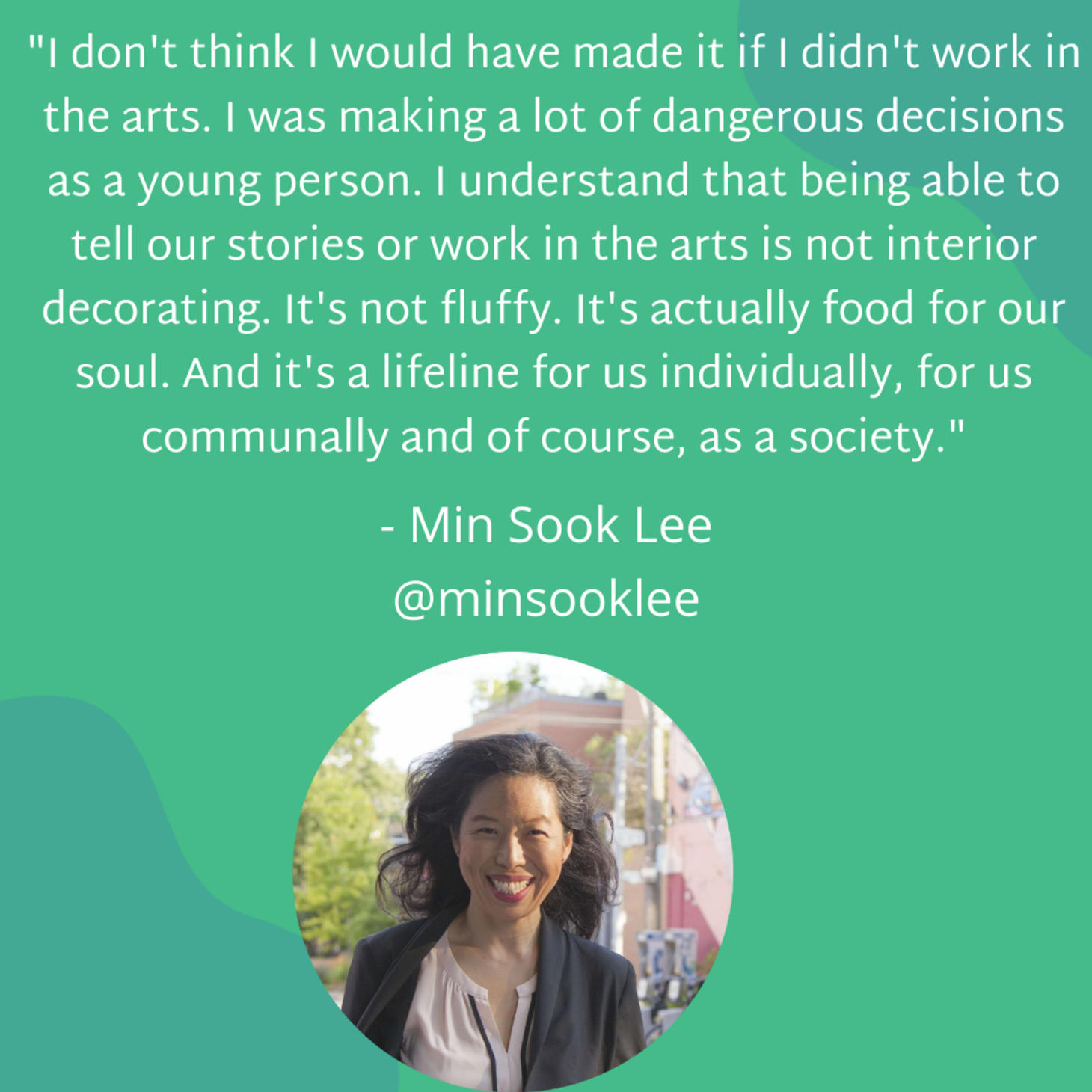
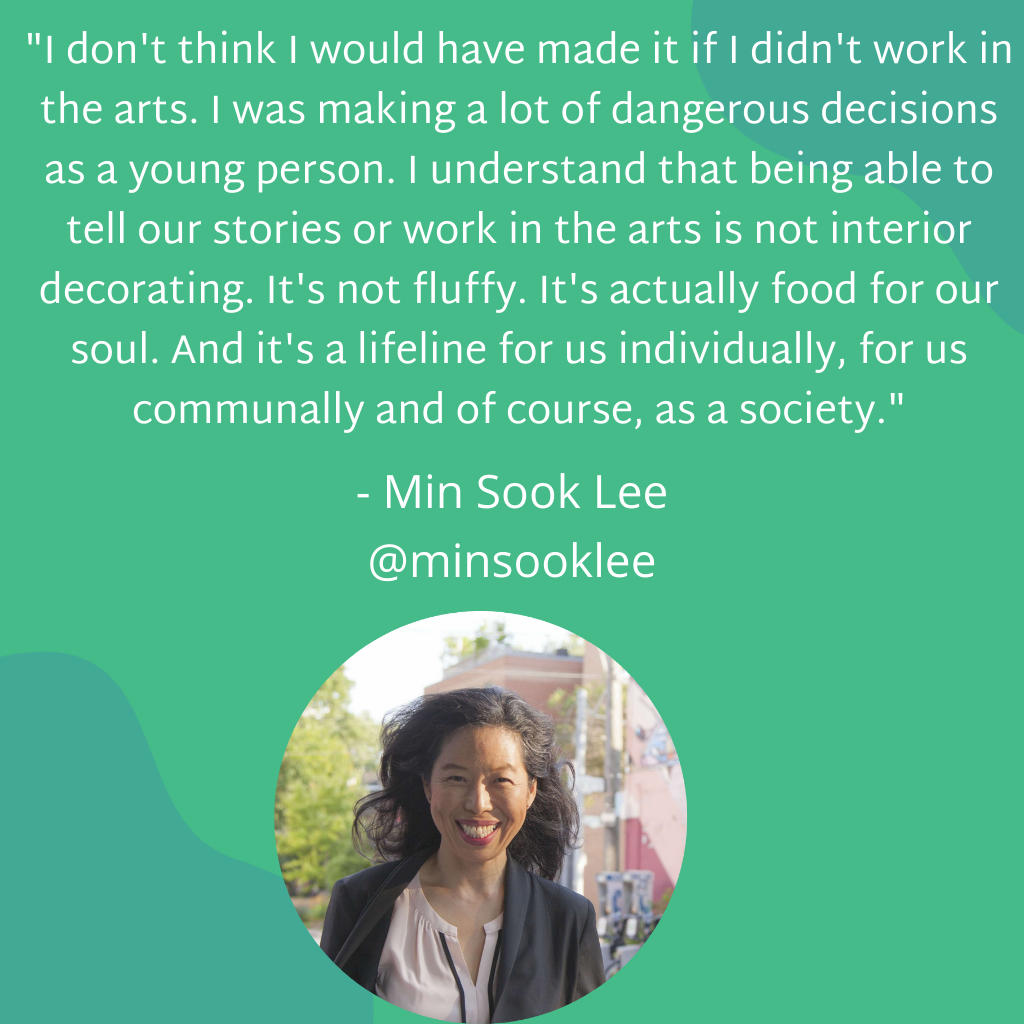
At age thirty, Lee found her career path and lifeline in the arts:
"I don't think I would have made it if I didn't work in the arts. I was making a lot of dangerous decisions as a young person. I understand that being able to tell our stories or work in the arts is not interior decorating. It's not fluffy. It's actually food for our soul. And it's a lifeline for us individually, for us communally and of course, as a society."
Holding the Camera, Holding the Distance
"There Are No Words" required Lee to navigate dual roles as director and subject. When asked how she managed learning "life-altering pieces of information so close to your heart" while filming, Lee credits her team and what she calls "screen life."
"You have to have a crew that you love and trust," she explains. This trust allowed her to process personal revelations alongside her lived experience. She acknowledges the emotional toll:
"There's so much stuff I learned about my mother, about the day she died, about how my family responded to my mother's death. I'm very grateful I was able to make this film because I now have access to that information I never had before."
Advice for Creators: Stay Close to What Feeds You
For young BIPOC filmmakers balancing artistic vision and institutional expectations, Lee offers guidance:
"Always go to the story that feeds you politically, creatively, and emotionally. Remember why you got into this in the first place. You can take on certain projects that pay the bills, but don't stray too far from home."
When her documentary work wasn't getting funded and offered projects didn't pay bills, Lee returned to school in her thirties, earned multiple degrees and began teaching at OCAD. This stability gave her freedom to pursue meaningful projects.
She encourages creators to "make work that resonates with your identity and struggles" instead of chasing mainstream validation. Equally important is building a survival network to share resources and "find others like yourself who are going to be emotional, political and creative sources of support". While she didn't do this herself, Lee urges filmmakers to intentionally seek out auteur-driven and independent films that showcase marginalized voices and take risks rather than defaulting to the mainstream.
What's Next: Grassroots Conversations
Lee plans grassroots screenings doing conversational talks and Q&As for "There Are No Words,". She wants to create intentional spaces for women, immigrant families, and survivors of intimate partner violence. She wants people to see their experiences reflected on screen, recognize their struggles, and feel less alone.
Flavian DeLima is a senior writer, journalist and the editor of Spinning Forward.
QUICK HITS
🚨🇨🇦 Vancouver's Hootsuite provides tech to US immigration enforcement: Hootsuite, a social media management platform, is providing monitoring technology to the US Department of Homeland Security through 2029, despite canceling an ICE contract in 2020 after employee backlash. The deal gives Customs and Border Protection access to Hootsuite's platform as DHS faces criticism over immigration enforcement tactics. HR Reporter. Details Here
🔥 Anti-doomscrolling influencers fight back: A new wave of creators is helping people break free from endless feeds by promoting intentional social media use. They share time-limit tips, app blockers, and digital wellness strategies resonating with burnout users. Quick Tip: Set screen time limits, follow accounts that add value, and schedule "scroll-free" hours daily to reclaim your attention. CityNews Toronto. Details Here
🧠 Labeling social media an "addiction" backfires: Labeling your social media habits as addiction can actually reinforce problematic behavior and reduce your sense of control. Research shows reframing usage as a "habit" empowers users to make healthier choices without the stigma. The study found that 18% of Instagram users believe they're addicted, but only 2% show actual symptoms of addiction—believing you're addicted impacts how you address the issue. News Medical. Details Here
💛 TTC rider fights winter blues with kindness: Content creator MJ Cho (@itsmagneticmj) spreads positivity to Toronto commuters by offering compliments and encouragement on the subway, filming interactions that have earned thousands of views. His simple gestures boost serotonin and social connection during months when 15% of Canadians experience winter blues—proving small acts can create a ripple effect of kindness. CityNews Toronto. Watch Here
💬🚫 Canadians and Americans react to Australia's under-16 social media ban: In a BBC street poll, some parents say kids need protection from cyberbullying, while younger people worry blanket bans limit free expression. Others call it unenforceable, favoring better age verification and digital literacy instead—revealing shared concern for youth safety but skepticism about bans. BBC. Watch Here
FUNDS FOR CREATORS
Grants & Opportunities: January 2026
You've told us loud and clear: sustainability is your number-one priority. We hear you. Whether you're launching your first podcast, growing your YouTube channel, or building your creative business, securing funding and accessing the right programs can make all the difference.
That's why in every issue, we curate grants, programs, and opportunities specifically for content creators of color in the Toronto region. We do the research so you don't have to—because we know you're already juggling a million things.
Canadian Journalism Foundation – CJF-CBC Indigenous Journalism Fellowship
The CJF-CBC Indigenous Journalism Fellowship supports emerging Indigenous journalists to explore key issues and increase coverage of Indigenous topics in Canadian media, offering professional newsroom experience at a CBC location, editorial guidance and a national reporting platform with a $30,000 stipend. Deadline: January 23, 2026. Apply here
Canadian Journalism Foundation – CJF Black Journalism Fellowships 2026
The CJF Black Journalism Fellowships aim to amplify Black voices, improve coverage of Black issues and cultivate future Black media leaders, offering early-career Black journalists (1-5 years' experience) a six-month placement at CBC/Radio-Canada, Globe and Mail, CTV News or the IJB at University of Toronto with a $35,000 stipend. Deadline: January 23, 2026. Apply here
City of Toronto – Starter Company Plus Grant (Trade Accelerator Stream)
The Starter Company Plus Grant’s Trade Accelerator stream supports eligible small business owners with up to 15 hours of business training, up to three months of advisory and mentoring services, and a micro-grant of $5,000 to help grow and expand their business. This intake is part of multiple program streams that run throughout the year and is ideal for entrepreneurs ready to scale their operations. Deadline: January 26, 2026, at 4:30 PM. Apply here
Canada Council for the Arts - Circulation and Touring Grant
This grant supports Canadian artists, groups and arts organizations to tour performances, exhibitions and other artistic work, with up to $200,000 per application (covering up to 50% of eligible costs) and a yearly cap of $400,000. It can help cover travel, production, promotion and logistics so you can bring your work to new audiences and build a sustainable touring strategy. Deadline: January 28, 2026, at 11:59 PM ET. Apply here
Canada Council for the Arts - International Residencies Grant
This grant supports Canadian artists, arts workers, groups and organizations to attend residencies abroad, funding creative research, creation time and networking within international host communities, with up to $20,000 per application. It’s a powerful way to grow your practice, collaborate across cultures and bring new skills and perspectives back to your community. Deadline: January 28, 2026, at 11:59 PM ET. Apply here
Ontario Arts Council - Indigenous Visual Artists’ Materials
The Indigenous Visual Artists’ Materials grant supports Indigenous (First Nations, Inuit, Métis) visual artists across Ontario with funding to buy supplies needed to create or complete work, including painting, sculpture, digital and installation. It’s especially valuable if you want to deepen your practice without being blocked by material costs. Deadline: January 30, 2026. Apply here
GTA Events
🎬 January 22, 12:00-1:30 PM ET: The Get Real Movement offers a free workshop on Combatting Anti-Black Racism in the Film Industry, available in person, online, or as e-learning. Details here.
🎬 January 29, 7:30-10pm EST: Nia Centre for the Arts presents Niaflix screening of "Boxcutter," directed by Reza Dahya. The film follows aspiring rapper Rome as he navigates Toronto streets to recover his stolen laptop before a life-changing meeting with a Grammy-winning producer. In-person at 524 Oakwood Ave. Details here.
💰 January 29, 12:00-1:30 PM EST: Brampton Arts Organization presents "Power Hour: Taxes for Artists" with Artbooks tax preparer Matthew Bailey. Free online workshop covering tax code changes, what to track, GST/HST, bookkeeping software, and more for creative freelancers. Details here.
🎨 January 30-31, 7-9pm EST: Vanier College Productions at York University presents the BIPOC Artist HUB Showcase exploring the theme of LOST/FOUND. Features interactive exhibits, visual art, live performances, and stand-up comedy. Pay-what-you-can tickets. Vanier Renaissance Room, 001 Vanier College. Details here.
🎬 February 11-16, 2026: Toronto Black Film Festival (TBFF) showcases powerful narratives and groundbreaking Black cinema from around the world. Features film screenings, Q&A sessions with filmmakers, panel discussions, networking events, and cultural experiences. Online and in-person at venues across Toronto. Details here.
🌈 February 13, 6:30-9:30pm EST: Watah Studio Theatre and Black Theatre School present "Find Your People," an intentional gathering for BIPOC queer, trans, non-binary, and gender-expansive folx during Black Futures Month. Features community-centred activities, interactive games, and guided prompts for connection and care. Free event. Watah Studio Theatre, 32 Lisgar Street, Studio 14. Details here.
WE ❤️ FEEDBACK 📋
What'd you think of today's issue? 👂
💫 You need to take it up a notch
Spinning Forward is an award-winning, trusted, local, independent media company that informs, engages, and uplifts aspiring content creators of color aged 16 to 34 in the Toronto region.Flavian DeLima (LinkedIn), the founder and publisher, launched Spinning Forward to help level the playing field for creators of color.
CONTRIBUTORS
John Tse, Raj Barot, Mary Beth Bellantone, Maris Kwan, Marcellus Gardiner, Dianabasi James, and Malaikah Syed.
If you like this issue, please share it with a few friends. To view all past issues on the Web, go here
If you want to be featured, have a comment or want to suggest a topic or creator, reply to this email or click here or the "Suggest a link" at the bottom of any issue.
For questions, comments or sponsorships, reply to this email or email info at spinningforward dot com.
COMMENT 💬
Hey there,
When the world feels off balance, as it does now, it helps to prioritize your mental health and check in with your community. We previously covered M. Gessen here, where they suggest changing from asking “How are you?” to something more human and specific like “How are you, personally?”
It helps because collective trauma is different. As sociologist Neil Gross wrote in 2016: “It is a collective disturbance that happens to a group of people when their world is suddenly upended.”
In This Issue — In Min Sook Lee's “There Are No Words”, forty years after her mother's suicide, the Korean-Canadian filmmaker discovers that the quiet, depressed woman she knew in Toronto was actually a total badass feminist back in Korea. Her deeply personal documentary explores how trauma, racism, and losing your native language can completely erase who you are—as happened when her family moved to Toronto in the 1970s. The film premiered at TIFF.
Quick Hits
We've added new sections—Events and Funds for Creators—to help you stay connected and supported.
Reading Time: 8 minutes
If you want to get in touch, reply to this email or email at info at spinningforward.com
Flavian DeLima
Publisher & Editor, Spinning Forward