
SPOTLIGHT 💡🔦
Permanent Guest: One Filmmaker's Drive to Break the Silence Around Childhood Sexual Abuse
Content warning: This article covers childhood sexual abuse and may be distressing for some readers. If you or someone you know has been affected, support is available. Please refer to community resources at the end of the article.
Most children who are sexually assaulted never say a word about it — not to a teacher, a friend, or a parent. They choose silence. Roughly 1 in 8 children in South Asian countries experience sexual assault before the age of 18 (2025 Searchlight report, Childlight - Global Child Safety Institute)."
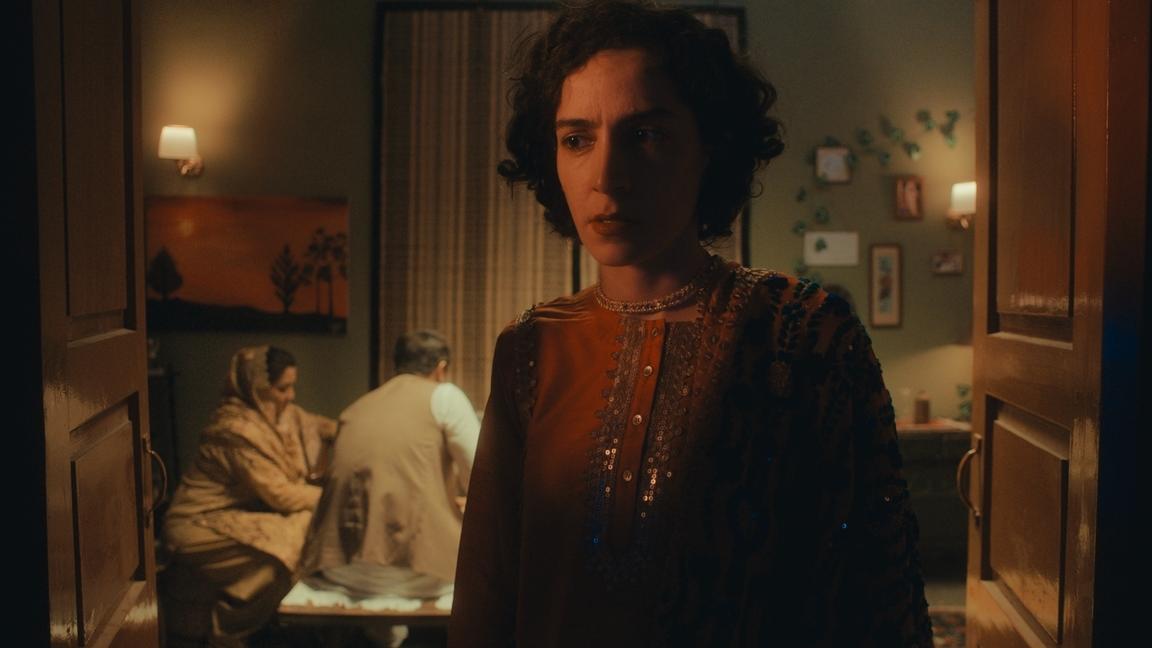
Toronto-based writer and director Sana Jafri also choose silence in her 14-minute short film, Permanent Guest. The film premiered at the Toronto International Film Festival (TIFF) in the Short Cuts program in 2025. It opens quietly in a family home, with a visiting uncle and a household going about its everyday business. The camera moves freely when the uncle is absent. After he arrives, everything tightens with wider angles and still frames.
The film centres on Fatin (Rasti Farooq), a 26-year-old woman in Lahore, Pakistan, who doesn't speak but whose face says a lot. She lives with her mother Yasmeen (Nadia Afgan). Her life is upended when her 70-year-old uncle ("taya"), Shabeer (Salman Shahid), comes to stay. He abused her as a child and his presence is normalized in the household as the family prepares for a wedding.
For Jafri, this story and the reason she chose the film's name reflects how many survivors quietly navigate life within their extended families. She says,
"The guest can be in our lives temporarily. But the damage that they do stays forever. It's quite permanent, and it lives with us every single day."
The Film: Telling What Cannot Be Said
Jafri says she intentionally kept the camera on Fatin after her uncle first enters the scene, because "what's important to me is how he's making her feel. So I stay with her." There is no flashback. The audience doesn't need to witness what Fatin endured as a girl.
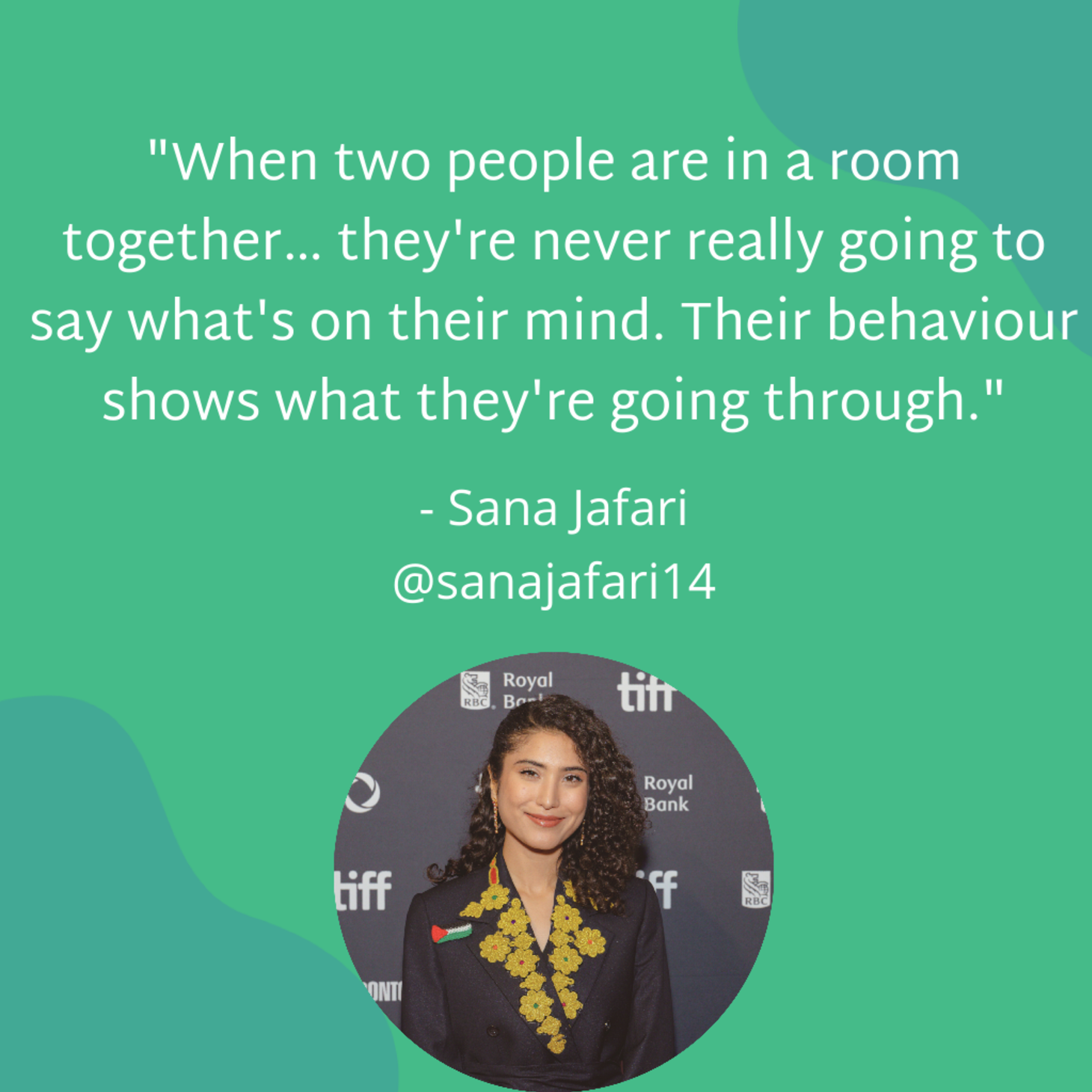
"I really wanted to challenge myself to talk about something without really saying it out loud”, Jafri says. "When two people are in a room together… they're never really going to say what's on their mind. Their behaviour shows what they're going through."
Rather than depicting the past abuse, Jafri focuses on its long-term consequences and the way it is normalized in the present. At the family home, the uncle is welcome, eats at the table, sleeps in the guest room, and is thanked for attending the family wedding.
Making Space: A Filmmaker's Journey Past Self‑Doubt and the White Gaze
Permanent Guest is Jafri's debut as a writer and director. Before her short screened at TIFF, she spent nearly a decade working as an assistant director. She was close to the centre, but never in the director's chair.
"I wanted to transition into writing and directing after almost a decade-long career in film," she says. "That's what I always wanted to do."
Wanting something and believing you are allowed to have it are two different things that many racialized creatives know and wrestle with. Jafri admits she struggled with it herself:
"I felt like being a director is not for people like me. I needed to become somebody in order to be able to lead."
Hirra Farooqi, Founder and CEO of the Muslim International Film Festival (MIFF) sees this self-doubt in many filmmakers.
"There is a barrier for Muslim filmmakers," she says. "A lot of Muslim filmmakers here in the West are first and second-generation immigrants who don't have the financial access to enter filmmaking due to the pressures of going into financially stable roles like being a doctor or an engineer. And the art is lost in our dreams."
The "white gaze," associated with the work of Toni Morrison, refers to the tendency to create stories for a presumed white Western audience. For filmmakers from marginalized communities, it also manifests as internal editing, an unconscious revision of one's own story to satisfy industry gatekeepers and fit in. When industry peers suggested that Permanent Guest would not translate for Western audiences and pushed for over-explanation, Jafri eventually rejected their advice.
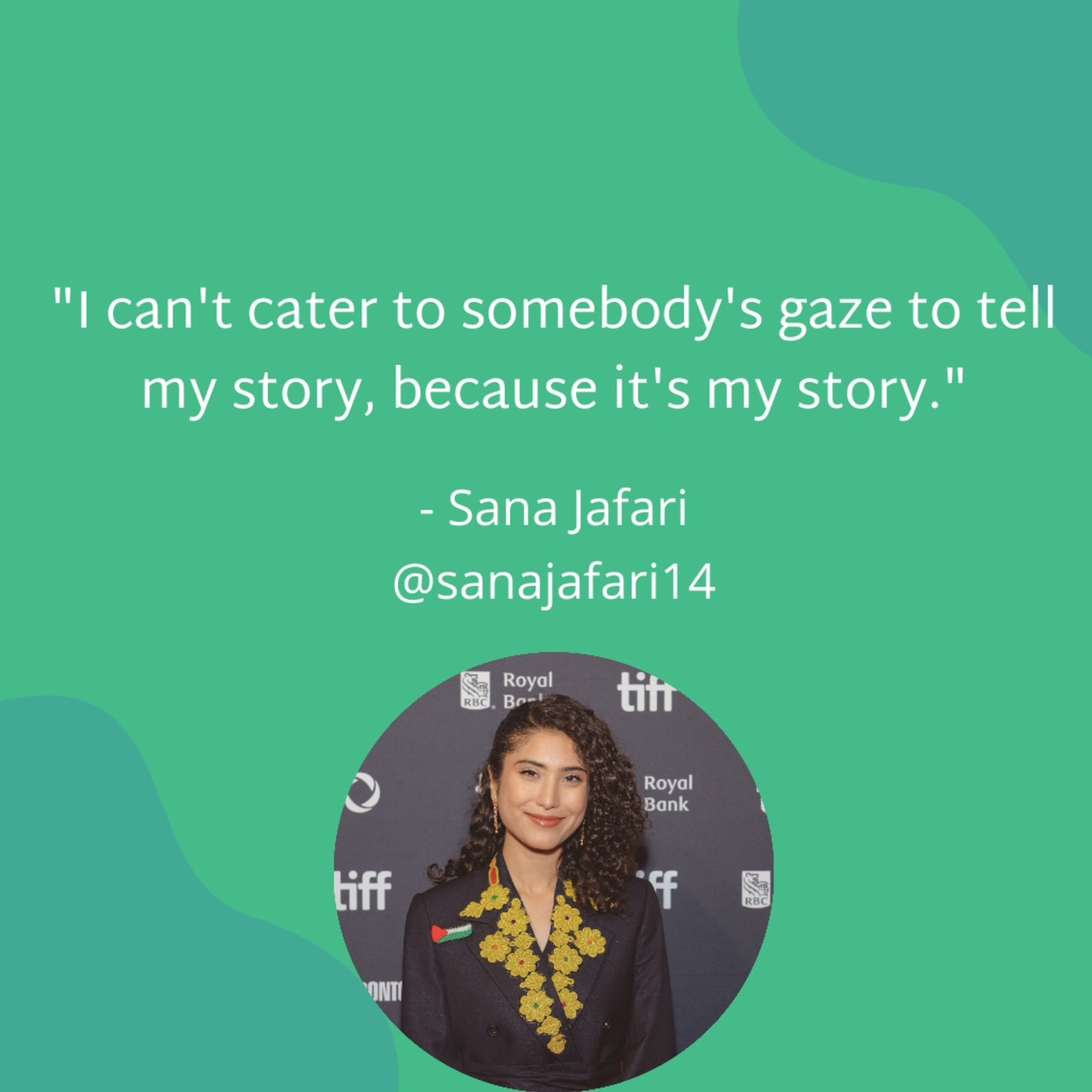
"I can't cater to somebody's gaze to tell my story, because it's my story. In the past two years — being able to make a short, being able to talk to women. It's put me in a position where I care less about whether the film is going to be good or not and more about being able to tell it authentically, through my perspective, rather than how somebody wants to see it."
Finding Your People, Finding Your Voice
Farooqi agrees and explains why community is essential for the kind of clarity that helps a creator find their voice.
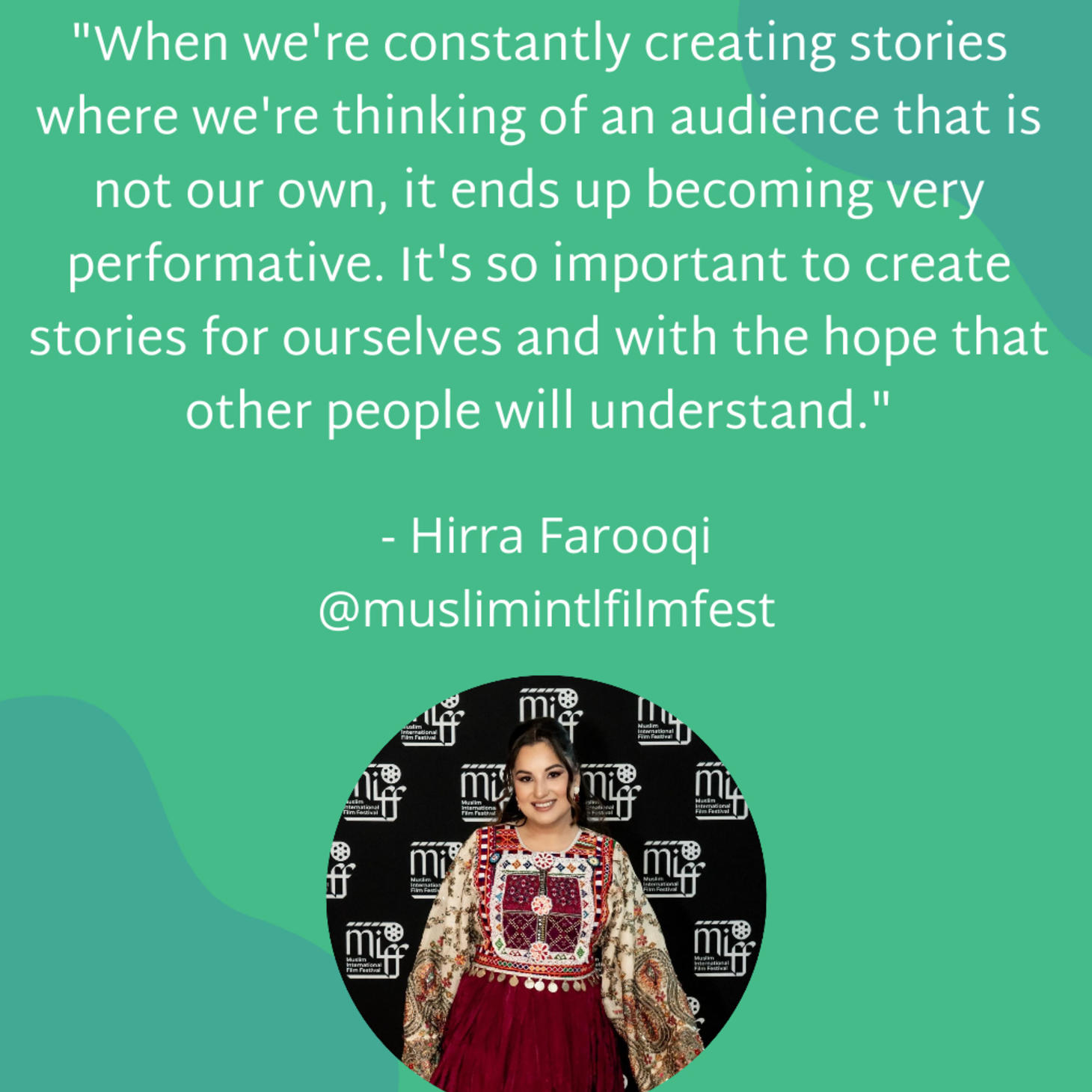
"When we're constantly creating stories where we're thinking of an audience that is not our own, it ends up becoming very performative," she says. "It ends up not translating well. It's so important to create stories for ourselves and with the hope that other people will understand."
For Jafri, finding that community was challenging. She moved to Toronto in January 2025 and began rebuilding her network from scratch.
"When I started going to events I experienced a lot of anxiety. I was the only person who didn't know anybody."
Jafri became a director by repeatedly showing up. She won grants, completed residencies in Paris and Los Angeles, and ran a successful Kickstarter in Pakistan that funded Permanent Guest.
When Permanent Guest was accepted into TIFF Short Cuts, the weight of her journey came full circle."
"My short got into TIFF," she says. "I thought, 'How am I going to get into this industry?'"
The Cultural Context: Silence as Survival
In Canada, almost one in ten people have experienced at least one form of sexual abuse before the age of 15, according to Statistics Canada (2018). Women were three times more likely than men to have been sexually abused by an adult during childhood. The perpetrator is often someone the survivor already knew (Statistics Canada, 2022). The pattern is familiar and devastating: the child says nothing, the abuse is not a single event, and the person responsible is often someone close.
"In South Asian households we're very close with our extended families," Jafri says. "It's even harder to cut off a relative who could be an abuser." Cultural expectations around respect, caregiving, and family honour can act as a powerful silencer. "Women control the daily chores and the look of the house," she adds, "but when serious decisions arise, the father's word is final."
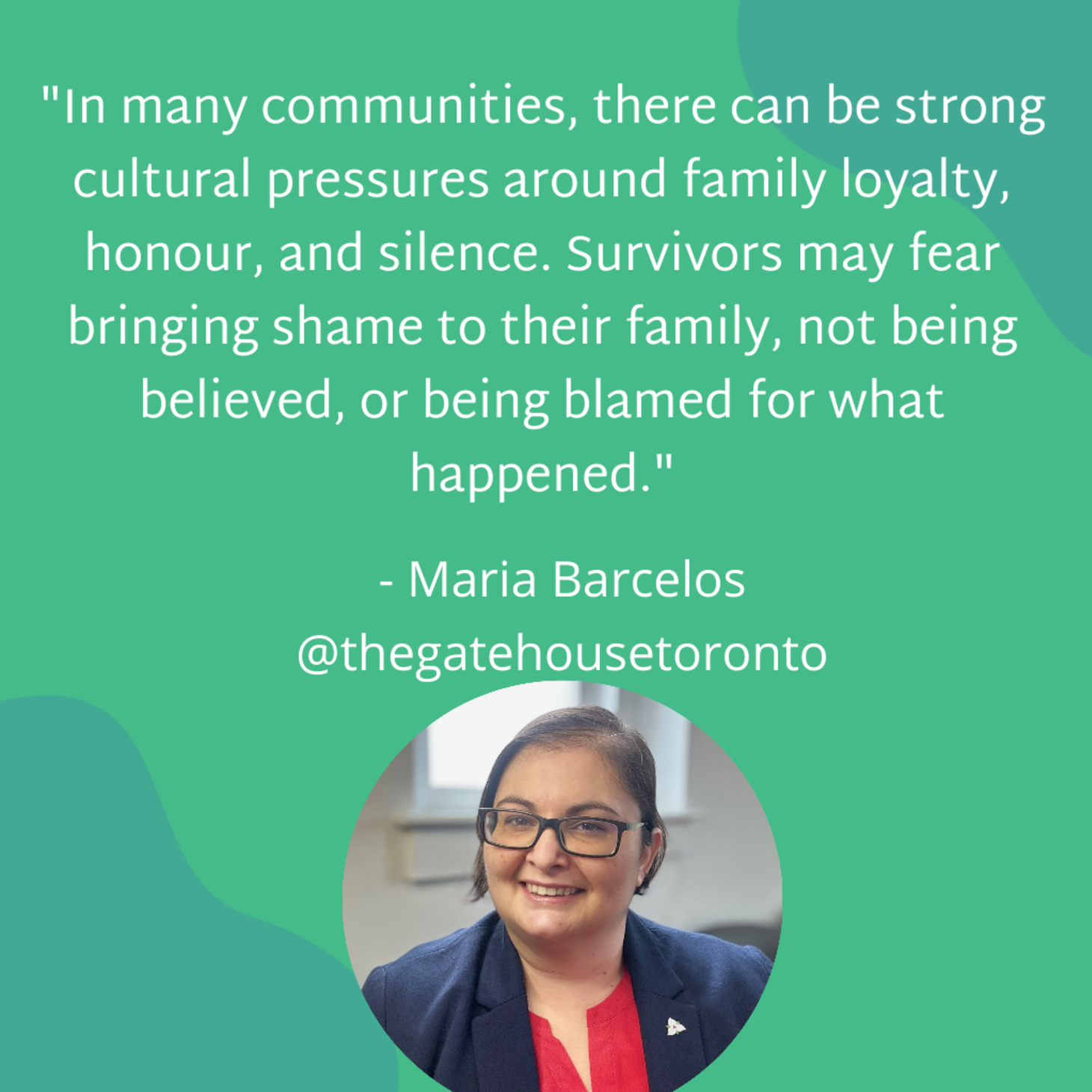
"Maria Barcelos, Executive Director of The Gatehouse, a Toronto-based, peer-led organisation supporting adult survivors of childhood sexual abuse, has seen this dynamic across many communities.
"In many communities, there can be strong cultural pressures around family loyalty, honour, and silence," Barcelos says. "Survivors may fear bringing shame to their family, not being believed, or being blamed for what happened. In some cases, the abuser is a respected family or community member, which makes disclosure even more difficult and dangerous."
Who Gets to Tell My Story?
The reception of Permanent Guest has varied by cultural context. In Pakistan, a screening of around 350 people saw the audience stay two hours to share their experiences. Jafri says,
"They talked about how they felt seen, and how it was their story. Western audiences expect a certain kind of story from our part of the world," she says. "They want the victim to be the perfect victim."
For her future feature film, Scattered Rain, currently in development and based on her short film, Jafri was told by industry people that giving her protagonist agency would undermine audience sympathy. Initially, she accepted that feedback, stripping her character of agency to meet an expectation that never felt authentic.
After many conversations with survivors of childhood sexual abuse, she questioned why she had ever compromised.
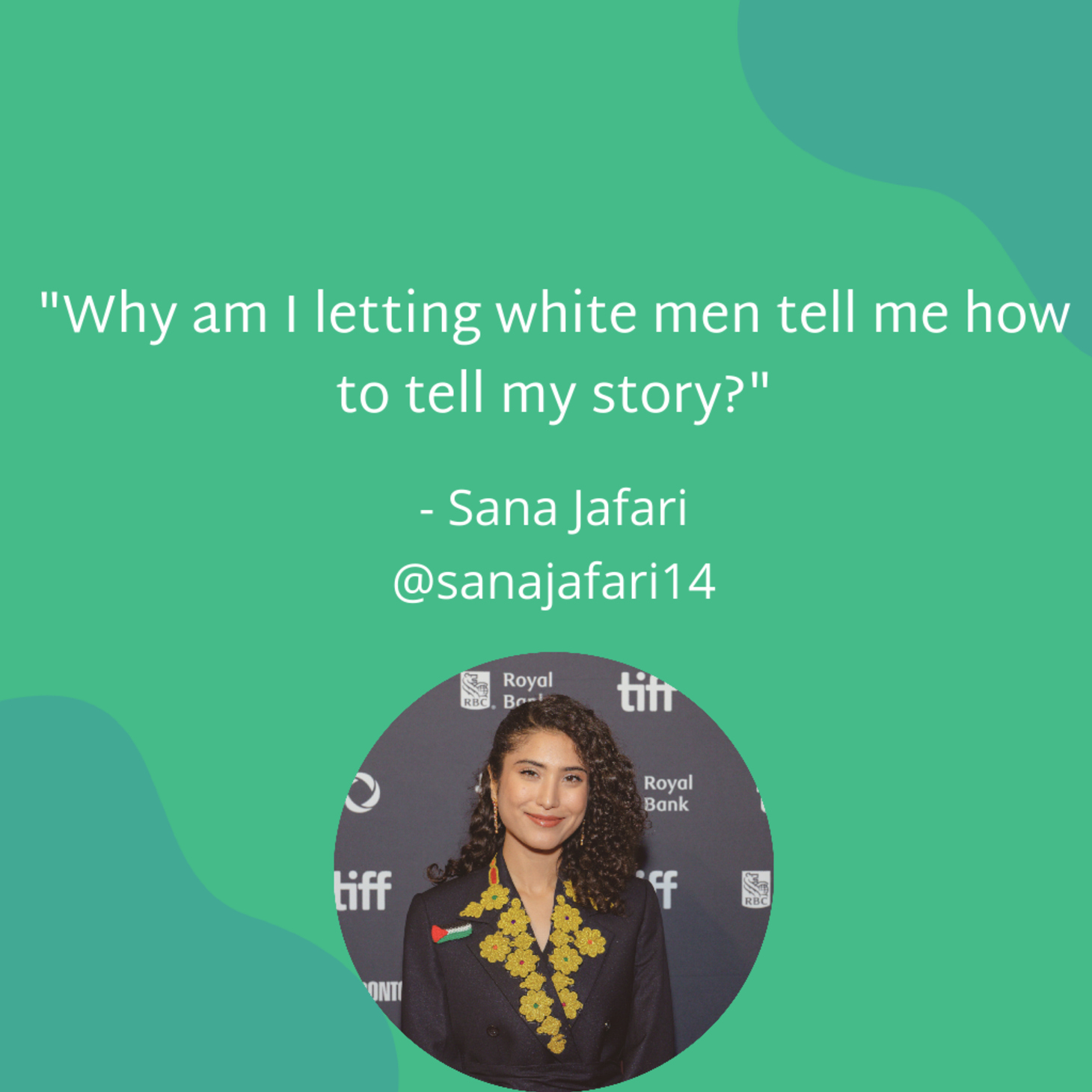
"Why am I letting white people tell me what a perfect victim is or why my character should be a perfect victim when I have spoken to over 200 women over the past four years who are victims of childhood sexual abuse? When I have worked with victims of childhood sexual abuse and when I myself am a survivor? Why am I letting white men tell me how to tell my story?"
When Survivors Speak Out
The act of naming oneself a survivor carries an enormous weight. For Jafri, it is foundational to Permanent Guest.
In July 2024, Andrea Robin Skinner, daughter of Nobel Prize-winning Canadian author Alice Munro, wrote an article on The Gateway's website that was quoted in the Globe and Mail, revealing that her stepfather, Gerald Fremlin, had sexually abused her beginning when she was nine years old. She had told her mother in 1992, who chose to stay with Fremlin. Skinner carried the silence publicly for decades, and only broke it after her mother died.
For survivors reading Skinner's story, the realization is that even after coming forward and telling, you are not guaranteed to be believed or protected . Skinner didn't go public to hurt her stepfather and writes,
"What I wanted was some record of the truth, in a context that asserted I had not deserved it. ... But victories such as these still hurt; they just hurt less than doing nothing."
The Gatehouse: A Safe Place to Be Believed
For many survivors, the first step toward healing is not therapy or formal disclosure. It is finding a place where being believed is guaranteed. The Gatehouse, based in Toronto, is a peer-led organisation offering free programming and support to adult survivors of childhood sexual abuse aged 16 and over. Its model is built on what
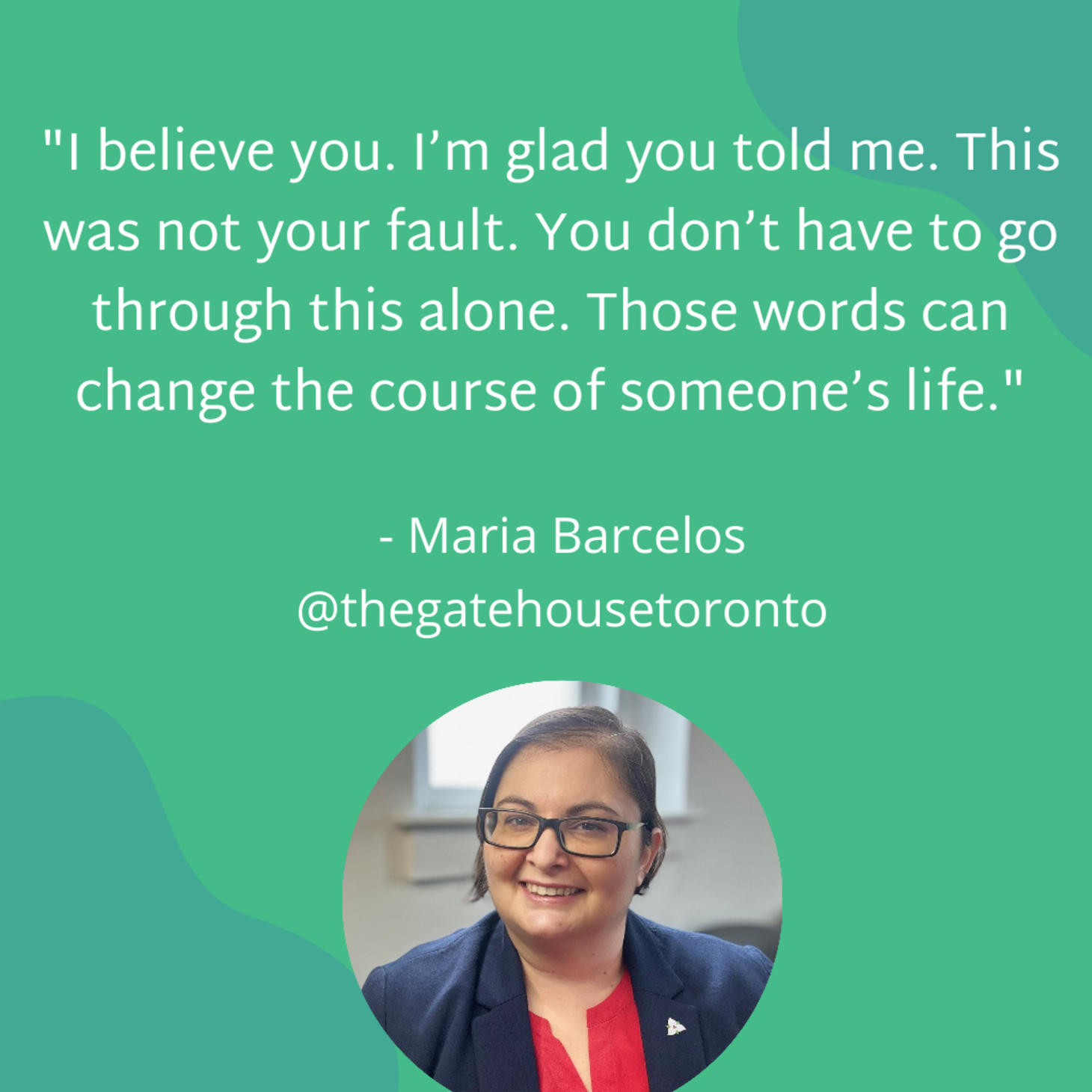
Executive Director, Barcelos, describes what helps most that makes healing possible for survivors is when they hear:
“I believe you. I’m glad you told me. This was not your fault. You don’t have to go through this alone", she says. "Those words can change the course of someone’s life."
The peer-led part is essential. When a survivor is supported by someone who has lived through something similar, the message is not only that they are believed. It's that a life beyond the trauma exists. The Gatehouse offers trauma-informed counselling, expressive arts programming, and advocates for legislation at the intersection of prevention and healing to improve systems for survivors.
Erin's Law: Giving Children the Words
Children rarely disclose abuse because they lack both permission and language to name what happened. Erin's Law, named after American survivor and activist Erin Merryn, addresses the issue. It requires school-based, age-appropriate body safety education. Children are taught about personal boundaries, appropriate and inappropriate touch, and how to tell a trusted adult. Most perpetrators are not strangers.
Barcelos advocates for its adoption in Ontario.
"If we give children the words, the knowledge, and permission to speak," she says, "we change the conditions under which abuse continues undetected for years."
Many survivors only come to recognise their own experience as abuse after hearing someone else's account.
Transforming Trauma Together Festival hosted by The Gatehouse is a free conference happening from May 11 to 13, 2026 at Humber College Lakeshore Campus about community storytelling, performance, and collective healing with people who understand survivors.
"Healing happens in community," Barcelos says. "It happens when we feel less alone. When we see ourselves reflected — when someone else puts words to something we have never been able to name, something shifts."
Why Representation Matters
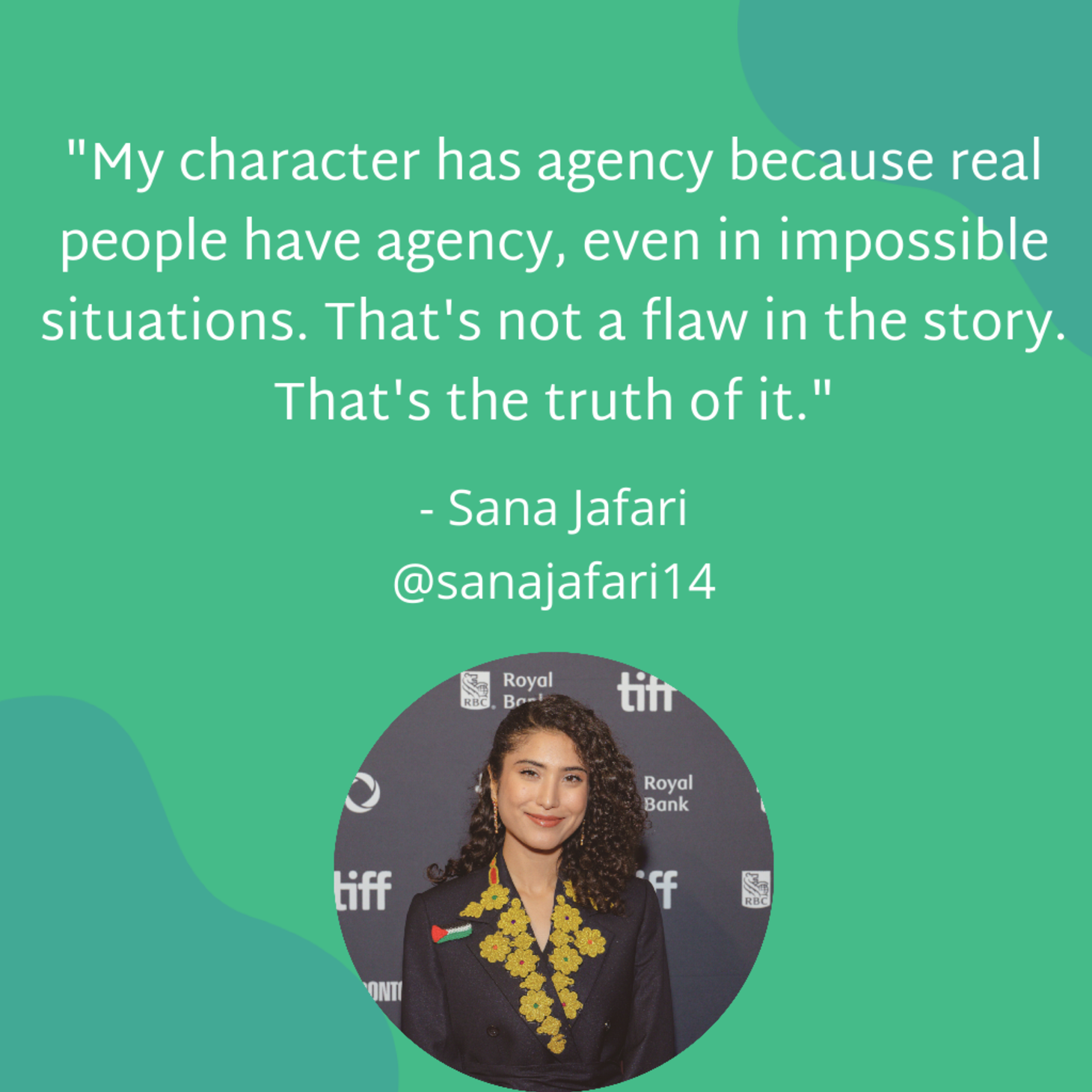
Jafri's future feature film, inspired by her short, Permanent Guest and from years of listening, will reflect her community. She says,
"My character has agency because real people have agency, even in impossible situations. That's not a flaw in the story. That's the truth of it."
The permanent guest in Fatin's home is allowed to eat and sleep in the guest room. He does not know, remember or care what he left behind. But Fatin knows and because Sana Jafri made Permanent Guest, the audience knows. Healing happens not in silence but in the act of sharing and being seen in community.
Funding the Next Chapter
Jafri recently received a Research and Development Grant from the Canada Council for the Arts to advance her next film, Scattered Rain, toward production. The funding will enable her to complete the final script draft and bring on a co-writer. It is the type of support that determines whether an independent project moves forward or quietly stalls. She plans to apply to TIFF's Market to connect with producers and partners to help get feature released on screen sooner.
Advice for Emerging Creators
For filmmakers from marginalized communities, Jafri believes authenticity matters far more than conforming to industry expectations.
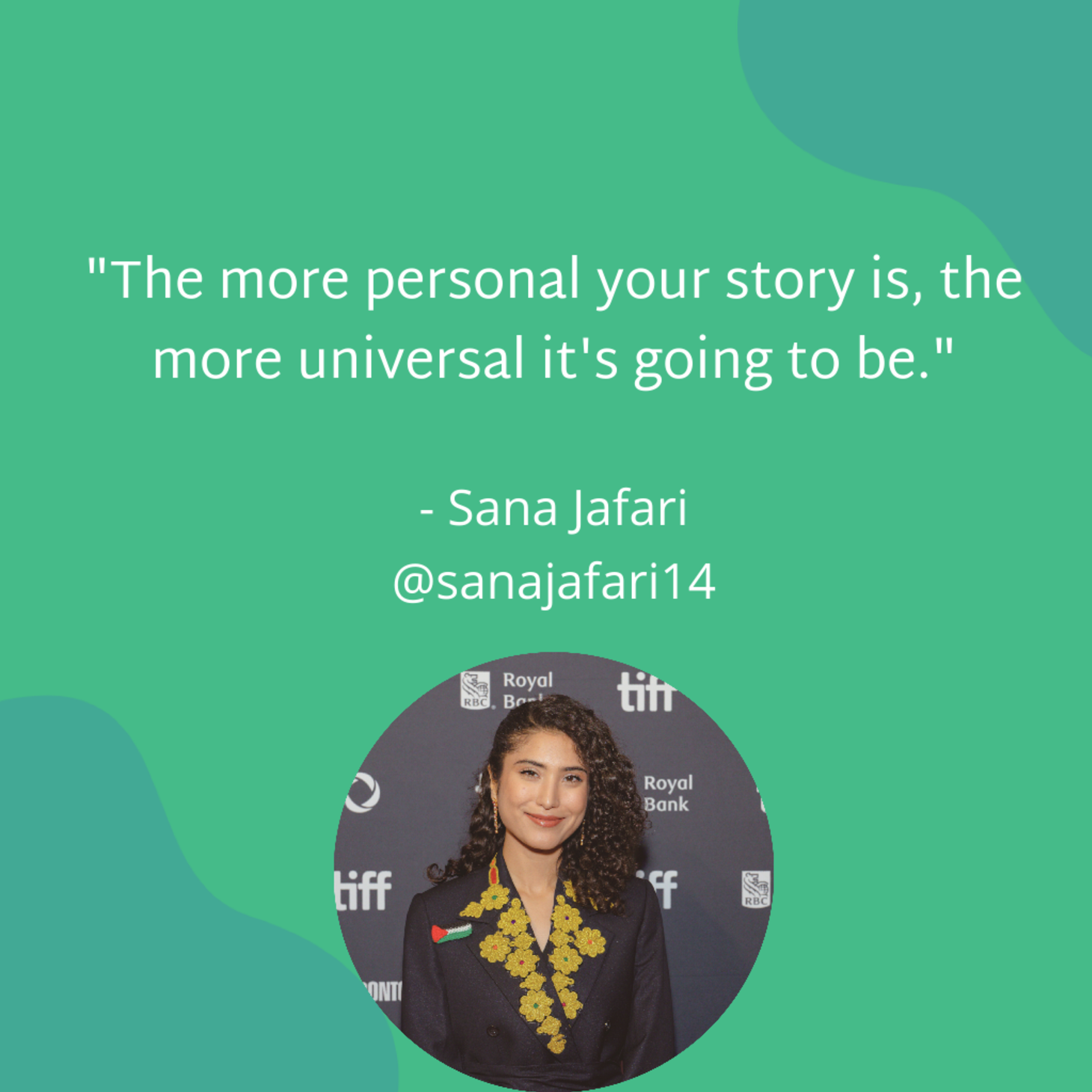
"The more personal your story is, the more universal it's going to be."
For Jafri, storytelling is also deeply collaborative.
"It's not about my success or your success. When we create something together, we can really move forward."
Permanent Guest proves that even the quietest, most intimate stories carry the weight to spark powerful conversations.
"Nobody can tell your story. If you're telling your story, tell it from your perspective."
Flavian DeLima is a senior writer, journalist and the editor of Spinning Forward. Faith Tabladillo is a journalism student at MacEwan University in Edmonton, Alberta, with interests in politics, technology, finance, and community reporting.
Resources and Community Connections
If you or someone you know needs support, these organizations offer a range of services for survivors of childhood sexual abuse and sexual violence across the GTA:
Survivor Support
- The Gatehouse — Free, peer-led support for adult survivors of childhood sexual abuse aged 16+. | 416-255-5900. They are hosting a free three-day Transforming Trauma Together conference, May 11–13, 2026, at Humber College Lakeshore Campus.
- South Asian Women's Centre — Support, settlement, and violence against women services for South Asian and racialized women. | 416-537-2276
- Toronto Rape Crisis Centre / Multicultural Women Against Rape (TRCC/MWAR) — 24/7 crisis line and counselling for all survivors of sexual and gender-based violence. | 416-597-8808
Counselling & Mental Health
- Family Service Toronto — Counselling and community support services for individuals and families. | 416-595-9618
- Catholic Family Services of Toronto — Counselling for individuals, couples, and families; open to all regardless of faith. | 416-921-1163
- CAMH — Canada's largest mental health and addiction teaching hospital. | 416-535-8501
- Addiction Rehab Toronto — Drug and alcohol rehabilitation and mental health recovery programmes across the GTA.
- Private Therapists — The Ontario Psychological Association's directory can help you find a registered therapist in Toronto.
Crisis Lines
- Assaulted Women's Helpline — Free, anonymous, 24/7 crisis counselling in up to 154 languages. | 1-866-863-0511
- Kids Help Phone — 24/7 support for young people across Canada. | 1-800-668-6868 | Text CONNECT to 686868
- Victim Support Line — Ontario-wide support and referrals for victims of crime. | 1-888-579-2888
- Distress Centres of Greater Toronto — 24/7 emotional support and crisis intervention. | 416-408-4357
QUICK HITS
🚨📱 Investigation exposes child sex trafficking on Meta: A recent investigation has revealed that child sex trafficking networks are actively operating across Facebook and Instagram. The Guardian. Read Here
🏆📱 Confluence Awards celebrate diverse Canadian creators: The 2026 awards highlight the outstanding achievements and digital contributions of immigrant content creators across the country. Canadian Immigrant. Read Here
🏷️🤖 House of Commons committee says AI content should be labelled: A parliamentary committee is recommending that artificial intelligence-generated content be clearly marked to ensure transparency for Canadians. CTV News. Read Here
⚖️📱 Verdict against Meta and Google reflects modern life: A landmark ruling against the tech giants highlights the societal costs of the attention economy and signals a shift toward holding platforms accountable. The New Yorker. Read Here
🛑📱 Canadians want kids under 16 off social media: Growing public support shows Canadians are heavily in favor of banning children and young teens from platforms to protect their well-being. Toronto Life. Read Here
EVENTS 📅

🌟 April 24-25 - 10:00 AM–5:00 PM EDT: RISE Canada 2026 at Burnhamthorpe Community Centre (Mississauga). Two-day convention for immigrants featuring Day 1 masterclass on entrepreneurship and public speaking with ACHEV & BHIVE, plus Day 2 convention with keynotes, panels, public speaking competition, and networking hosted by RISE Canada. Details here.
🎉 April 25 - 5:00–9:00 PM EDT: Sikh Heritage Month 2026 Closing Night at Peel Art Gallery, Museum and Archives (Brampton). Mark the end of Sikh Heritage Month 2026 with special guest Ravi Singh from Khalsa Aid in a celebratory community gathering. Details here.
🤝 April 28–29 - Youth Funders Conference & GTA Grassroots Mini Pitch. A multi-day event connecting youth-led grassroots initiatives with funders through networking, capacity building, and a mini-pitch session. Details here.
🎶 May 2, 12:00 PM EST: BGC Fest: Sounds of Durham Youth at Ajax/Pickering Stadium (Ajax) featuring Boys & Girls Club showcases emerging BIPOC youth artists’ music and performances—prime for creators amplifying local talent, building partnerships, and celebrating Durham’s diverse voices. Details here.
✊ May 6, 12:00–2:00 PM EST: White* Anti-Racism in Practice: Healing, Accountability, and Action (Session 1) online by Just Roots Consulting supports allies in anti-racism work, fostering equity discussions vital for young professionals mental health and advocacy. Details here.
🧠 May 6, 4:00 PM EST: Celebrating Children & Youth Mental Health at Ajax Community Centre (Durham) organized by local health advocates offers workshops and stories on wellness, resonating with people tackling mental health stigma amid creator burnout and urban pressures. Details here.
🛍️ May 8-10, 10:00 AM–3:00 PM EST: The Mom Market Peel Region at 1352 Lakeshore Rd E (Mississauga) by The Mom Market Collective features curated local BIPOC vendors with family-friendly pop-ups, perfect for creators sourcing authentic products and lifestyle content collabs. Details here.
🎤 May 8, 7:00–9:00 PM EST: Pass the Mic Jazz Night at Snelgrove Community Centre (Brampton) hosted by local organizers offers live jazz performances and open mic, perfect for capturing soulful content and networking in the music scene. Details here.
🍭 May 9, 12:00 PM EST: Sweet Treats Mother’s Day Market at Ajax Waterfront (Ajax) hosted by local vendors spotlights BIPOC bakers and crafters with desserts, gifts, and pop-up stalls—ideal for individuals sourcing visual content and brand collabs in the online economy. Details here.
FUNDS FOR CREATORS

Regardless of what type of creator you are, the right funding and programs can make all the difference. That's why we started curating grants, programs, and opportunities specifically for content creators of color in the Toronto region. We do the research so you don't have to because we know you're already juggling a lot.
Ontario Arts Council – Indigenous Artists in Communities and Schools Projects
For professional Indigenous (First Nations, Inuit, Métis) artists, culture carriers, ad hoc groups, and organizations (50%+ Indigenous) based in Ontario including GTA, offering up to $15,000 project grants for community/school-based arts activities across disciplines like digital media, storytelling, and crafts. Relevant for Indigenous GTA creators delivering workshops and projects that connect culture, mental health, and urban youth experiences through accessible community arts. Deadline: April 23, 2026 at 1:00 PM ET. Apply here
Canadian Worker Co-op Federation – Young Adult Arts & Culture Grant Program
For young adults aged 18-35 across Canada (GTA eligible) creating visual art, music, video, theatre, or cultural events promoting cooperatives, offering up to $1,000 grants plus CWCF promotion via website, newsletter, and social media. Relevant for racialized Gen Z/Millennial creators exploring cooperative models, community engagement, and financial literacy through accessible arts projects that build sustainable creator economy practices. Deadline: April 30, 2026 at 11:59 PM ET. Apply here
Canada Council for the Arts – Public Lending Right (PLR) Program
For Canadian creators, including racialized authors (writers, translators) and artists (illustrators, photographers, narrators) in the Greater Toronto Area, offering registration to receive annual royalties when their works are borrowed from public libraries across Canada. Annual royalty payments average $800 (up to $4,500 max) by submiting eligible published titles (ISBN required; excludes textbooks/manuals, published within last 5 years). Deadline: May 1, 2026. Apply here
City of Toronto – Cultural Hotspot Ignite Ideation Funding
For emerging equity-deserving artists, collectives, nonprofits, and community groups with M postal code living/working in Kingston-Galloway/Orton Park (KGO), offering up to $5,000 for capacity-building like mentorship, workshops, skill experimentation, community consultation, or testing creative ideas benefiting the KGO community (no final product required). Great opportunity for BIPOC GTA creators from this priority neighbourhood to explore new practices and build local networks. Deadline: May 4, 2026 at 5:00 PM. Apply here
FACTOR – Artist Development Program
For Canadian musical artists at early career stages, including racialized creators in the Greater Toronto Area, offering subsidies up to $5,000 to support career development activities such as recording, marketing, touring, and professional training. This program helps emerging Gen Z and Millennial musicians grow their presence in the online creator economy by enhancing visibility, audience engagement, and industry connections. Deadline: May 7, 2026 at 11:59 PM EST. Apply here&mccid=c2fae410de&mceid=452ebc3add)
Ontario Arts Council – Visual Artists Creation Projects
For professional Ontario visual artists at any career stage, including those in the GTA, offering grants up to $25,000 to support the production and creation of new visual art works. This grant is relevant for racialized creators in the online creator economy, enabling them to produce professional-quality work that can address social issues such as the online racial pay gap, mental health, and financial literacy through visual media. Deadline: May 13, 2026 at 13:00 PM EST. Apply here
FACTOR – Juried Sound Recording: Single/EP
For Canadian musical artists at any career stage, including racialized creators in the Greater Toronto Area, offering grants up to $25,000 to support the production and recording of singles or EPs. This program is relevant for Gen Z and Millennial musicians working in the online creator economy who want to develop high-quality recordings to boost their visibility, brand partnerships, and career growth. Deadline: May 14, 2026 at 11:59 PM EST. Apply here&mccid=c2fae410de&mceid=452ebc3add)
City of Toronto – Public Art Competition at Dundas and Islington
For professional Canadian artists or artist teams, including racialized creators in the GTA, offering a $245,000 (plus HST) budget for the design, fabrication, and installation of integrated public artwork at Dundas and Islington (Ward 3, Etobicoke-Lakeshore). This opportunity supports creators who want to engage community and cultural expression in a high-visibility public space, to highlight racialized voices through impactful storytelling and art. Deadline: May 15, 2026 at 12:00 PM EST. Apply here
WE ❤️ FEEDBACK 📋
What'd you think of today's issue? 👂
💫 You need to take it up a notch
Spinning Forward is an award-winning, trusted, local, independent media company that informs, engages, and uplifts creators of color aged 16 to 34 in the Toronto area. Flavian DeLima (LinkedIn), the founder and publisher, launched Spinning Forward to help level the playing field for creators of color.
CONTRIBUTORS
John Tse, Grâce Anonkré, Reyhan Kantarxhiu, Maria Castro and Anisa Khan.
If you like this issue, please share it with a few friends. To view all past issues on the Web, go here
If you want to be featured, have a comment or want to suggest a topic or creator, reply to this email or click here or the "Suggest a link" at the bottom of any issue.
For questions, comments or sponsorships, reply to this email or email info at spinningforward dot com.
COMMENT 💬
Greetings,
Some stories take a little longer to get right due to their sensitivity. This is one of them.
In this issue, we explore childhood sexual abuse survivorship through the lens of Toronto-based filmmaker Sana Jafri, whose debut short film Permanent Guest premiered at TIFF in 2025. We speak with Jafri, Maria Barcelos of The Gatehouse, and Hirra Farooqi of the Muslim International Film Festival about silence, cultural pressure, and what it means to tell your own story on your own terms.
Their comments are personal and uncompromising, a reminder that silence is not the same as safety and that feeling seen matters more than ever.
Quick Hits: Some things we're reading.
🚨📱 Child sex trafficking networks exposed on Meta
🏆📱 Confluence Awards celebrate diverse Canadian creators
🏷️🤖 House of Commons says AI content should be labelled
⚖️📱 Landmark verdict against Meta and Google
🛑📱 Canadians want kids under 16 off social media
Funding and Events: Check out grants and programs in the Funds for Creators section and Upcoming Events.
Reading Time: 10 minutes
If you want to get in touch, reply to this email or email info at spinningforward.com
Flavian DeLima Publisher & Editor, Spinning Forward